Greece & Balkans Aviation Weekly
- Gary Fradelos

- May 31
- 3 min read
Updated: 5 days ago
Week 22 | 25–31 May 2026
Aviation across Greece and the Balkans entered the final phase before the summer peak season this week as airports, airlines and tourism authorities intensified preparations for what is expected to be another strong year for regional travel. Passenger demand remains robust throughout Southeast Europe, while airports continue investing in infrastructure, connectivity and operational readiness to accommodate increasing traffic volumes.
Athens Airport Earns European Recognition

Athens International Airport emerged as one of the week’s standout aviation stories after receiving recognition at the Routes Europe 2026 Awards, where airlines and industry stakeholders acknowledged the airport’s performance in route development and airline partnerships.
The award reflects Athens Airport’s growing reputation within the European aviation sector and highlights the success of its efforts to attract new airlines, expand connectivity and strengthen its position as a leading gateway in Southeast Europe. For Greece, the recognition reinforces the airport’s strategic importance not only as the country’s primary international gateway but also as a growing regional hub connecting Europe, North America and the Eastern Mediterranean.
The distinction comes at a time when Athens continues pursuing long-term expansion plans aimed at increasing capacity and supporting future passenger growth, while maintaining strong relationships with both legacy and low-cost carriers.
Greek Airports Prepare for Summer Demand
Across Greece, airport operators continued focusing on operational readiness as seasonal traffic began accelerating.
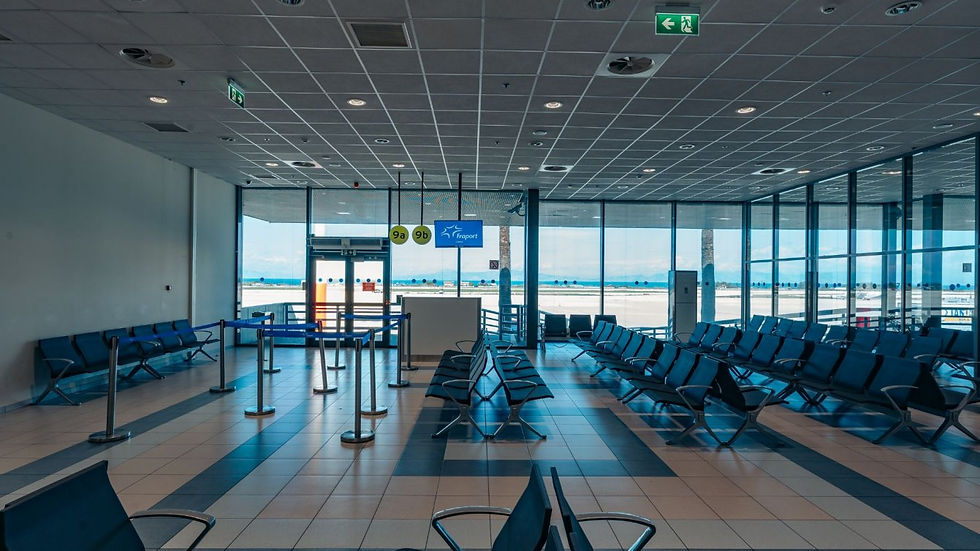
From Crete and Rhodes to Corfu and the Cyclades, airports are preparing for another busy tourism season supported by strong international bookings and expanded airline schedules. Industry stakeholders continue reporting positive demand indicators from major European source markets, while airlines maintain significant capacity toward Greek leisure destinations.
The continued strength of Greece’s tourism sector remains one of the most important drivers of aviation growth, supporting both airline expansion and airport investment across the country.
Balkan Infrastructure Investment Continues
Beyond Greece, airport infrastructure emerged as one of the region’s most significant aviation themes this week.

Mostar Airport officially launched construction of a new arrivals terminal, marking the beginning of a modernization project aimed at improving passenger handling capacity and supporting future route development. The investment reflects a broader regional trend in which airports across Southeast Europe are upgrading facilities to meet growing tourism and connectivity demands.
Infrastructure improvements remain a critical component of regional competitiveness as airports compete to attract airlines, expand networks and improve the passenger experience.
Airlines Strengthen Regional Connectivity
Airline network development also remained active across the Balkans.
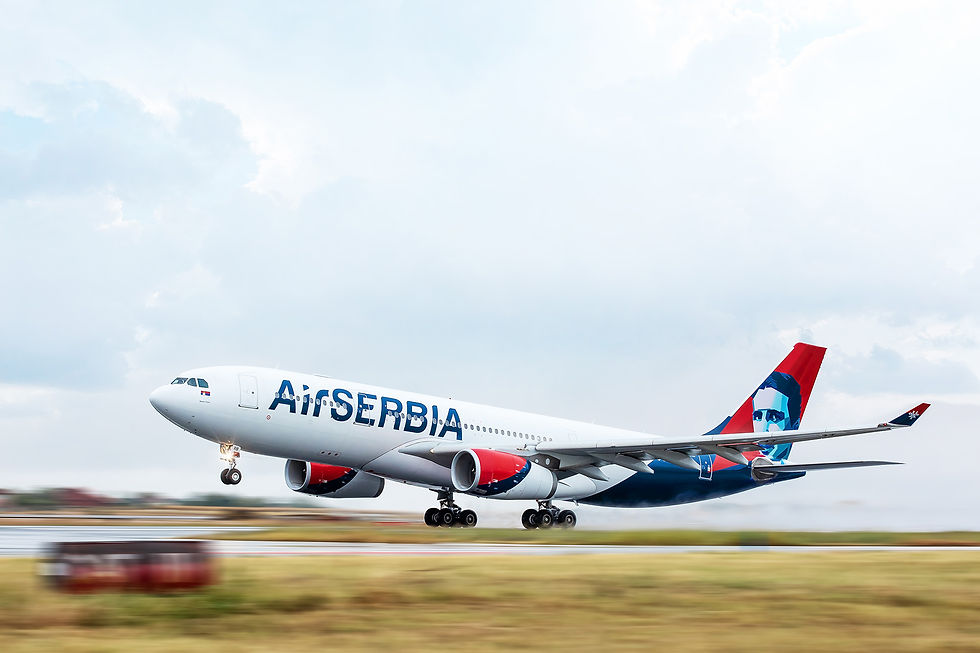
Air Serbia announced the resumption of Toronto services after more than three decades while also restoring flights to Munich, further strengthening Belgrade’s role as a growing regional hub. The developments underline the increasing importance of connectivity in Southeast Europe as airlines seek to capitalize on both tourism and diaspora travel demand.
Across the wider region, airlines continued adjusting schedules and frequencies ahead of the summer season, reinforcing one of the most competitive aviation environments in Europe.
Additional Industry Developments
Athens International Airport received major industry recognition at the Routes Europe Awards. Strong tourism demand remained evident across major Greek destinations. Airports throughout Greece intensified operational preparations for summer traffic peaks. Mostar Airport launched construction of a new arrivals terminal. Air Serbia resumed Toronto flights and restored services to Munich. Regional airports continued competing for airline investment and route growth opportunities.

Outlook
Week 22 highlighted how airport excellence, expanding connectivity, infrastructure development and summer operational preparedness continue defining the future of aviation across Greece and the Balkans.
As the aviation industry prepares for another busy summer season across Greece and Southeast Europe, Greece & Balkans Aviation Weekly will continue bringing you independent, reliable and timely coverage of the stories driving regional aviation—from airport operations and airline strategy to tourism, infrastructure and regulation, where regional connectivity, tourism and aviation strategy continue shaping the skies of Southeast Europe.
We look forward to welcoming you back next week for another edition of Greece & Balkans Aviation Weekly. References



Comments