Greece & Balkans Aviation Weekly

Updated: Sep 20
Week 20 | 11-17 May 2026

Europe’s aviation sector moved further into the summer preparation period this week as airlines, airports and tourism authorities across Greece and the Balkans continued navigating rising operational pressure, airport cost disputes and increasing infrastructure demands ahead of peak season.
The dominant aviation story throughout the week remained Ryanair’s escalating dispute with Fraport Greece regarding Thessaloniki’s Macedonia International Airport.

Ryanair officially confirmed plans to close its operational base in Thessaloniki for the Winter 2026 season, removing three based aircraft and significantly reducing winter capacity across Northern Greece. The airline cited rising airport charges and operational costs as the primary reasons behind the decision, while tourism stakeholders warned that the cuts could weaken regional connectivity and negatively impact winter tourism flows.
The dispute rapidly evolved into a wider debate regarding the competitiveness of Greek regional airports and the long-term sustainability of low-cost airline operations across Southeast Europe. Local authorities and tourism representatives expressed concern that neighboring Balkan airports may increasingly attract airline investment if operational costs in Greece continue rising.
Despite the tension, discussions between stakeholders reportedly remain active behind the scenes, leaving open the possibility of future negotiations regarding Ryanair’s presence in Thessaloniki.
Athens Airport Continues Growth
While uncertainty surrounds Thessaloniki, Athens International Airport continues strengthening its position as one of the region’s fastest-growing aviation hubs.

Passenger traffic remains strong ahead of the summer season, with airlines continuing to expand both European and long-haul connectivity. International demand from Italy, the United States and Middle Eastern markets continues supporting Athens’ broader strategy of developing into a larger transit and tourism gateway connecting Europe with the Eastern Mediterranean.
Aegean Airlines also maintained its growth momentum during the week, further reinforcing Athens’ role as the carrier’s primary operational hub while continuing network expansion across Europe and the Balkans.
However, operational pressure is simultaneously increasing across the Greek airport system. Industry reporting and airport operators warned that congestion, staffing pressure and infrastructure limitations could create delays during the busiest summer months, particularly at airports already operating near capacity.
Entry/Exit System Concerns Grow
Another major topic throughout the week involved the European Union’s upcoming Entry/Exit System (EES) and its potential impact on airport operations.

Greek airports, including Athens and Thessaloniki, warned that new biometric border control procedures for non-EU travelers could significantly increase passenger processing times once fully implemented. Airport operators advised travelers to expect longer queues and earlier arrival requirements during peak summer periods.
The issue is becoming increasingly important for tourism-heavy destinations across Greece and the Balkans, where airports are preparing for record seasonal traffic while simultaneously adapting to new European border regulations.
Regional Competition Intensifies
Across the Balkans, airlines and airports continue competing aggressively for additional summer capacity and new international routes.
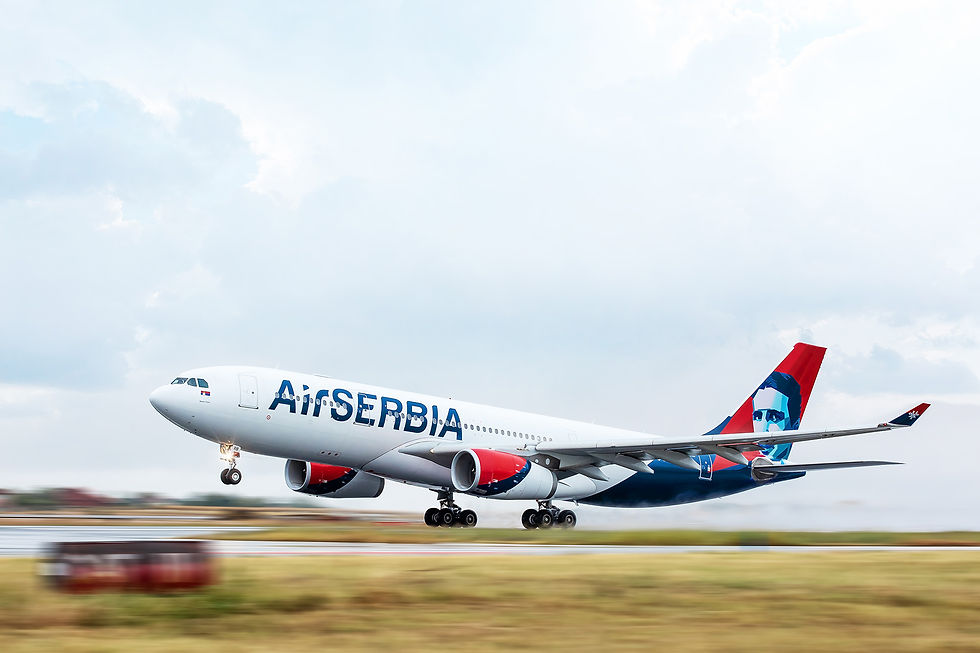
Air Serbia maintained its expansion strategy during the week, strengthening Belgrade’s growing role as a regional hub while increasing connectivity toward Greece and major European destinations. Meanwhile, low-cost carriers across Southeast Europe continue adjusting networks based on profitability, airport incentives and seasonal demand patterns.
Regional airports in Bulgaria, Croatia, Montenegro and North Macedonia also continued efforts to attract additional airline investment ahead of the peak tourism period, highlighting the increasingly competitive nature of the Balkan aviation market.
Additional Industry Developments
Other aviation developments reported during the week included:
Continued concerns regarding airport congestion across Europe ahead of peak summer demand
Discussions surrounding airline profitability and rising operational costs
Ongoing tourism growth projections for Greek island destinations
Additional route adjustments by low-cost carriers across Southeast Europe
Preparations by airports and airlines for increased summer passenger volumes
Outlook
Week 20 highlights how airport growth, regional connectivity, operational resilience and evolving market dynamics continue defining the future of aviation across Greece and the Balkans ahead of the busy summer travel season.
As the aviation industry prepares for another busy summer season across Greece and Southeast Europe, Greece & Balkans Aviation Weekly will continue bringing you independent, reliable and timely coverage of the stories driving regional aviation—from airport operations and airline strategy to tourism, infrastructure and regulation, where regional connectivity, tourism and aviation strategy continue shaping the skies of Southeast Europe.
We look forward to welcoming you back next week for another edition of Greece & Balkans Aviation Weekly. References

Comments